Last verified Jul 2026Written by our Journey Design team
China spans 35 degrees of latitude and five climatic zones. A comfortable September Silk Road journey is not the same as a September Yunnan passage, and a frozen February plateau is the polar opposite of a mild February subtropical valley. This guide breaks down the riding season for each of our five signature routes, month by month.
Tibet Sky Road (May-October)
The Qinghai-Tibet plateau has a short, sharp season. Outside the May-October window, severe cold, snow-blocked passes and low oxygen pressure make the high-altitude segments impractical for all but the most determined travellers.
- May-Jun: Spring on the plateau. Grasslands are green, days are lengthening, and the weather is crisp but manageable (5-20°C). Fewer travellers than peak summer. The best window for clear Everest views before the monsoon haze rolls in.
- Jul-Aug: Warmest months (10-25°C) but also the monsoon fringe. Afternoon showers are possible, particularly around Lhasa. The Shoton Festival (Tibetan opera, giant thangka unveiling) typically falls in August. Peak season; book 4-6 months ahead.
- Sep-Oct: Arguably the finest months. Skies clear, temperatures moderate, and autumn colours paint the valleys gold. The National Day holiday (first week of October) brings domestic crowds; avoid this week if possible. Late October can bring early snow.
- Nov-Apr: Not operated. Temperatures routinely drop below -15°C at altitude; oxygen levels are lowest; many passes and sites close.
Our pick: Late September to early October, after the domestic holiday crush. Golden light, clear skies, comfortable daytime temperatures. The single best window for photography.
Silk Road Odyssey (April-October)
The Silk Road covers vast distances from Xi'an to Kashgar. Climate varies dramatically along the route: Xi'an is temperate, the Hexi Corridor is semi-arid, and Xinjiang is continental desert.
- Apr-May: Pleasant in Xi'an and Lanzhou. The Gobi and Taklamakan regions are warm but not yet scorching. Spring dust storms are possible in Xinjiang. Quieter than autumn.
- Jun-Aug: Peak heat in the Turpan Depression (can exceed 40°C). Kashgar and the Pamir foothills remain moderate. Long daylight hours — sunset in Kashgar can be after 10pm in June. The Xinjiang summer fruit harvest is spectacular.
- Sep: The sweet spot. Temperatures ease, the grape harvest is in full swing, and the light across the desert is golden and low. Turpan and Dunhuang are comfortable. This is the most popular month; book early.
- Oct: Still good, but cooling. Dunhuang and Jiayuguan can be windy. Kashgar's Sunday bazaar is vibrant year-round. Late October brings the first frosts.
- Nov-Mar: Not operated. Parts of the route experience freezing temperatures and reduced services.
Our pick: September. Harvest season, ideal temperatures, the longest golden-hour light of the year. Book 6 months ahead for September departures.
Yunnan Mekong Passage (Year-round)
Yunnan's subtropical latitude and varied topography make it the most forgiving of our routes. Different seasons offer different experiences, but there is no truly bad month.
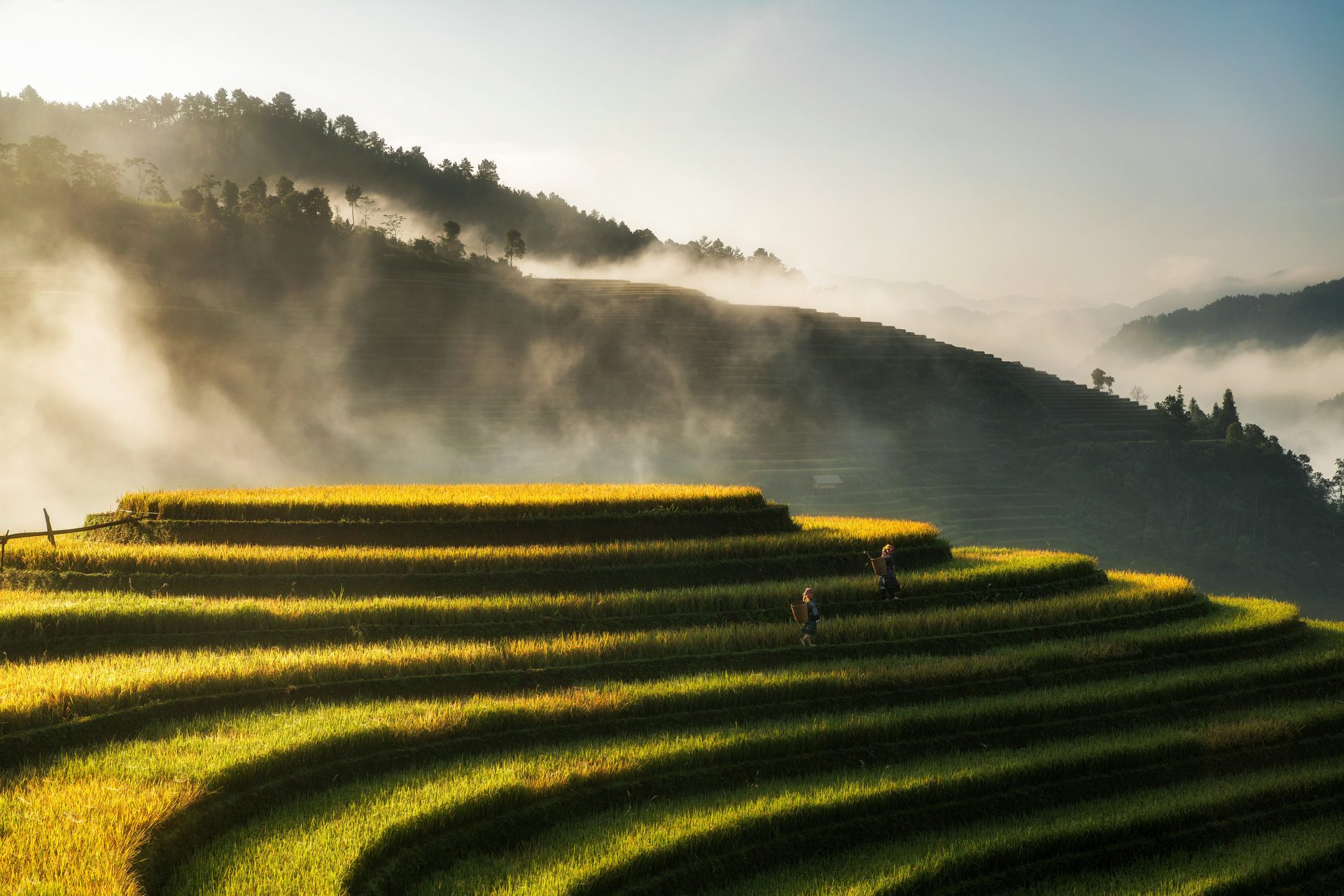
- Feb-Mar: The terraced rice fields of Yuanyang are flooded and mirror-like. Rape-seed flowers bloom in Luoping. Cool but pleasant in Kunming and Dali (10-20°C).
- Apr-Jun: Spring in full force. The Water-Splashing Festival (Dai New Year, mid-April) in Xishuangbanna is a highlight. Lijiang and Shangri-La are warming up. Occasional rain showers.
- Jul-Sep: Monsoon season, particularly in the south. Heavy but typically short afternoon downpours. Lush, green landscapes. The Torch Festival of the Yi people (August) lights up the mountains. Rice terraces are at their greenest.
- Oct-Nov: The dry season begins. Clear skies, comfortable temperatures, and the best visibility for mountain views from Shangri-La. Our favourite window.
- Dec-Jan: Cool and dry in Kunming and Dali; cold at altitude in Shangri-La but still accessible. Low-season pricing. A quiet, atmospheric time to travel.
Sichuan Panda & Jiuzhaigou (March-November)
- Mar-May: Pleasant spring weather in Chengdu. Flowers in bloom. Late spring is ideal for panda viewing as cubs become more active.
- Jun-Aug: Warm and humid in the Sichuan basin. Jiuzhaigou is lush and green. Summer rainfall can affect mountain roads.
- Sep-Oct: The undisputed peak. Jiuzhaigou's autumn foliage — crimson, gold and emerald reflected in crystal lakes — is world-famous. October is the single most photogenic month. Book 4-6 months ahead.
- Nov: Jiuzhaigou can see early snow; Chengdu remains mild. A quieter alternative to October.
- Dec-Feb: Not operated for the Jiuzhaigou segment, which can experience road closures.
Xinjiang Tianshan Explorer (May-October)
- May-Jun: Alpine meadows bloom with wildflowers. Heavenly Lake (Tianchi) thaws. Pleasant temperatures in Urumqi and the Ili Valley. The best window for wildflower enthusiasts.
- Jul-Aug: Peak summer. Warm days in the mountains, hot in Turpan. Grape and melon harvests begin in August. Longest daylight hours.
- Sep: The golden month. Autumn colours in the Tianshan forests, comfortable temperatures, clear mountain views. The Kazakh eagle-hunting season begins.
- Oct: Still good but cooling fast. Snow dusts the peaks; the first winter storms can arrive by late October.
- Nov-Apr: Not operated.
| Route | Best Months | Peak Demand | Book Ahead |
|---|
| Tibet Sky Road | Sep-Oct | Aug, early Oct | 4-6 months |
| Silk Road Odyssey | Sep | Sep | 4-6 months |
| Yunnan Mekong | Oct-Nov, Feb-Mar | Apr, Oct | 3-4 months |
| Sichuan Panda | Oct | Oct | 4-6 months |
| Xinjiang Tianshan | Jun, Sep | Sep | 3-4 months |
Compare all journeys →
Editorial standards: Climate data based on 10-year averages from CMA. Festival dates verified against the 2026 Chinese lunar calendar. Last verified July 2026. If you spot anything outdated, tell us. We'll update it within 48 hours.
 China ExpressesChina Luxury Trains