 China ExpressesChina Luxury Trains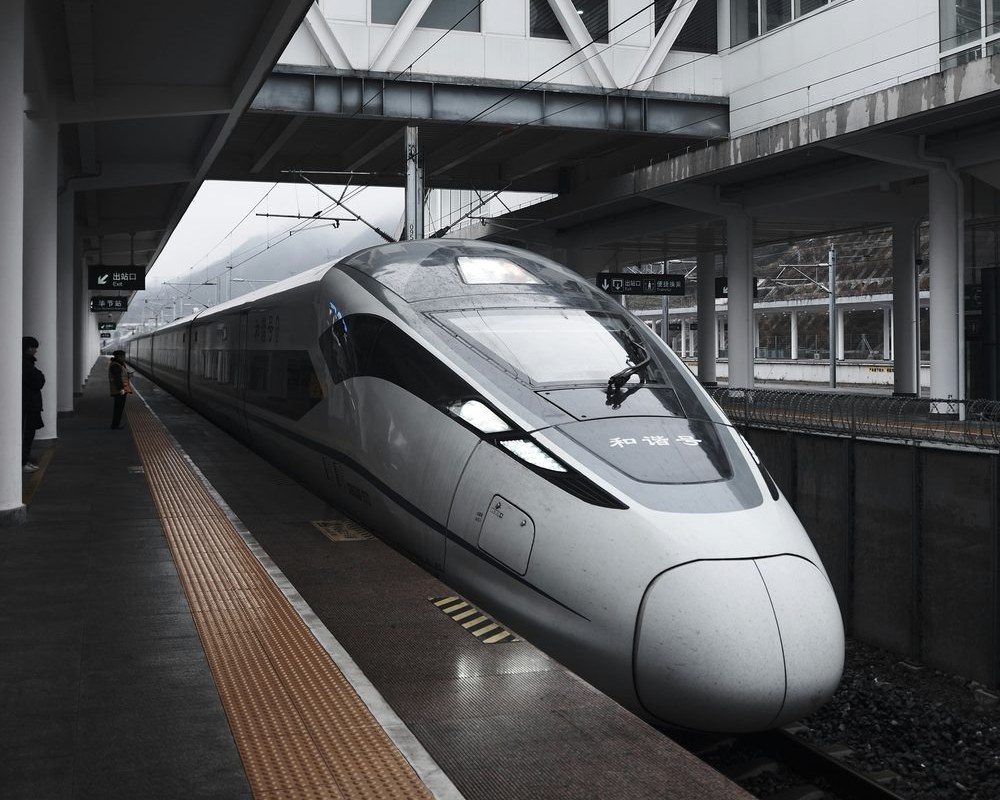
The New Oriental Express traces the ancient Silk Road from Xian to Kashgar. Refurbished in 2022, it combines Art Deco interiors with the rhythms of the route: ancient capitals, Buddhist caves, desert oases and the vast emptiness of the Gobi. An onboard historian brings 2,000 years of trade, faith and empire to life.
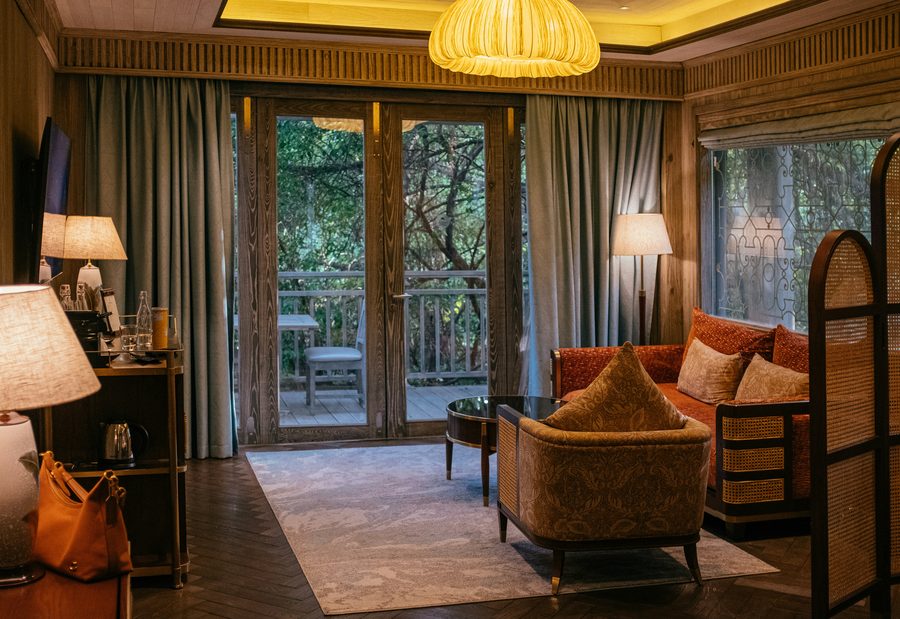
Walnut-panelled. Twin or double bed, en-suite with shower. Writing desk, window seat, individually controlled air conditioning.
10 m² En-suiteKing bed. Separate sitting area with sofa. Full en-suite with rainfall shower and heated towel rail. Bar cabinet. Priority dining reservations.
15 m² En-suiteTwo-room: bedroom with hand-carved four-poster bed, separate living room. Full bathroom with bathtub. Private dining available. Complimentary Champagne.
20 m² En-suiteThe social heart of the train. Restored grand piano, velvet banquettes, cocktail menu inspired by Silk Road ingredients. Live music most evenings.
Two dining cars. Silk Road Restaurant: multi-course regionally themed dinners. Garden Car: lighter breakfasts and afternoon tea with desert views.
Floor-to-ceiling rear windows for panoramic Gobi views. Regional wines and spirits. Historian gives daily briefings on Silk Road history and archaeology.
Silk Road archaeology specialist. Daily lectures in the lounge. Evening talks on Buddhist cave art, ancient trade routes and the cultures of Xinjiang.
The ancient imperial capital. Terracotta Warriors, the intact 14km city wall, the Muslim Quarters street food. A city that has welcomed travellers for over 2,000 years.
Where the Yellow River meets the Gobi. Hand-pulled Lanzhou noodles. A narrow strip of fertile land between mountains and desert that carried silk and Buddhism for millennia.
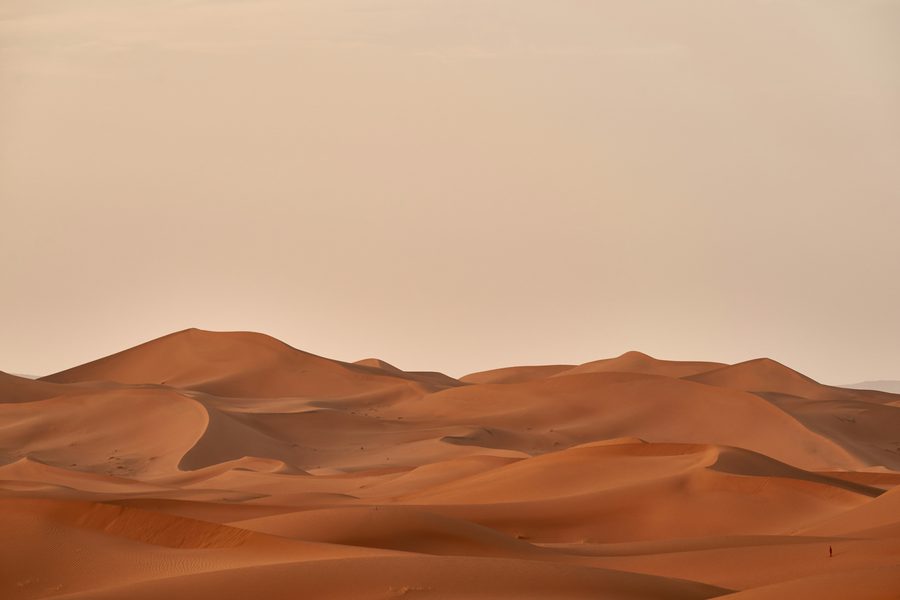
Mogao Caves: 492 painted grottoes spanning a thousand years of Buddhist art. Crescent Lake oasis surrounded by singing dunes. Lantern-lit dinner at the foot of the sand.
The second-lowest depression on Earth. Ancient karez irrigation tunnels, the Flaming Mountains, grape valleys. Uyghur hospitality at its warmest.
Sunday livestock bazaar operating for 2,000+ years. Old citys mud-brick alleys, Id Kah Mosque. Standing at the crossroads of Central Asia.
The New Oriental Express serves our Silk Road Odyssey — 14 days from Xian to Kashgar across 5,000 kilometres of ancient trade routes.
Explore Silk Road Odyssey →