




The Complete First-Timer's Guide to Luxury Train Travel in China
China's luxury rail network is vast and varied. This overview explains the decisions that matter before you commit to a route, while detailed policies and inclusions remain subject to your nationality, train and departure.
1. How all-inclusive pricing actually works
“All-inclusive” is product-specific. Depending on the departure, the fare may include the train accommodation, meals, excursions, guides, transfers, selected hotels and permits. Domestic flights, insurance, drinks, gratuities and personal expenses may be separate. Always use the confirmed itinerary and quotation as the source of truth.
2. Visas & entry for international travelers
Most overseas visitors need a Chinese visa unless they qualify for a separate exemption or the 240-hour visa-free transit policy. The transit policy applies only to eligible nationalities, designated ports and permitted areas, and requires onward travel to a third country or region. Your journey designer should confirm the current rule for your passport and itinerary at booking.
- Visa-free transit is not the same as a general tourist visa and may not cover every route or overnight stop.
- Tibet Autonomous Region routes may require a Tibet Travel Permit and additional area permissions. We coordinate the application when the operator and itinerary allow it.
- Restricted-area documents, deadlines and costs vary. Do not book non-refundable travel until the requirements are confirmed.
3. What to expect onboard
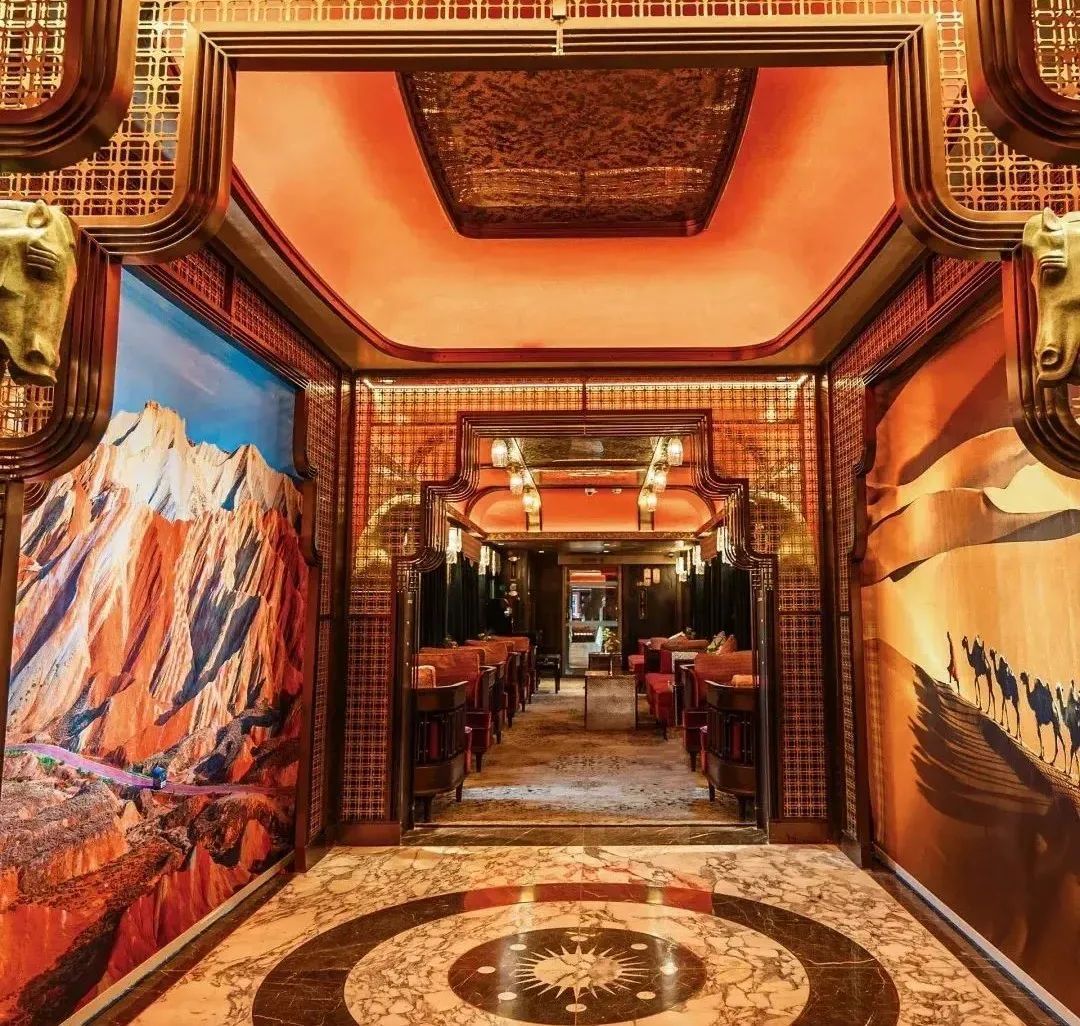
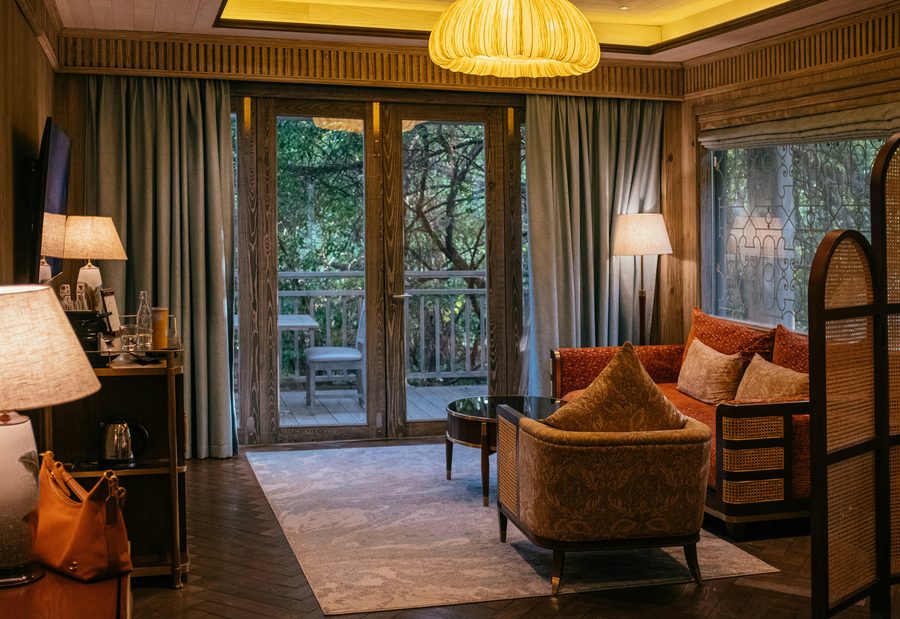
Cabin size, bed configuration, bathroom facilities, dining and service vary across the fleet. Some departures combine train nights with premium hotels and ground touring. Check the selected train page and confirmed itinerary rather than assuming one fleet-wide standard.
4. The altitude question
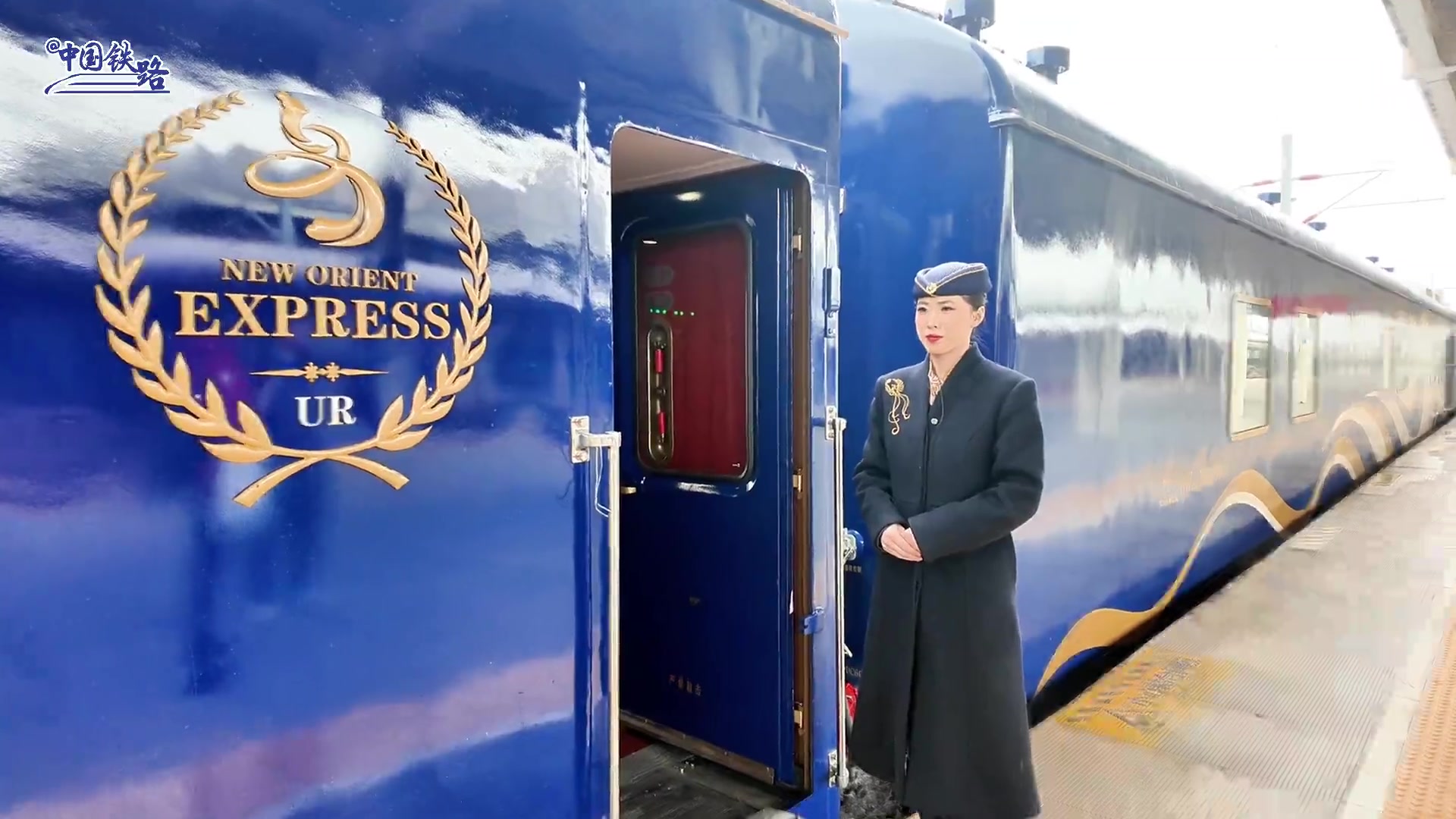
The Xinjiang Grand Circuit operates at moderate altitudes (500–2,500m). The New Orient Express features en-suite cabins and climate control throughout. For guests with altitude concerns, we recommend the Northern Grasslands (under 1,000m) or Silk Road Classic. We'll discuss your health history before you book.
5. Connectivity & currency
Connectivity varies by train, route and terrain; plan for periods without reliable onboard internet. We can suggest eSIM and payment preparation, but travelers should confirm compatibility before departure. Carry a backup payment method, passport copies and the contact details for your journey team.
6. When to go
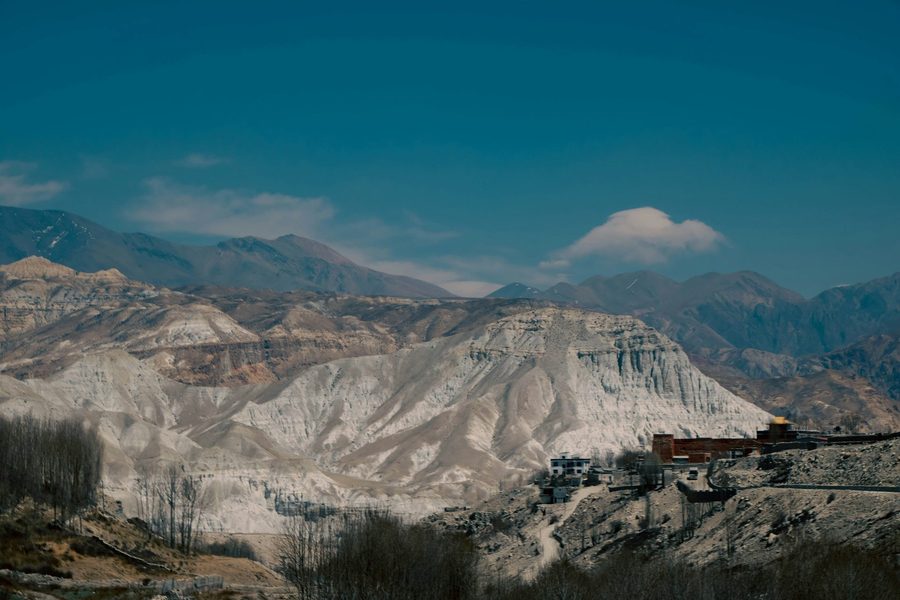
Tibet and Xinjiang are best from May to October; the Silk Road shines in September; Yunnan is a year-round destination; Sichuan's Jiuzhaigou peaks in October for autumn colour. Your journey designer will match the route to your travel window.
Have a specific question? Ask a designer →
Editorial standards: Policy, schedule, price and inclusion information is time-sensitive. We show a verification date where available and confirm the final details against the operator and itinerary at enquiry. This page is planning information, not immigration or medical advice. If you spot anything outdated, please tell us.